Careboda Transportation Services
GPS tracking and digital ride-hailing platform for urban transport operations in South Sudan
Client Overview
Careboda Transportation Services
South Sudan
Urban ride-hailing and transport services operating in South Sudan. Organization required digital infrastructure to support fleet operations, vehicle tracking, and dispatch coordination in a challenging operational environment.
Operational Challenge
Limited Fleet Visibility
No centralized GPS-based fleet monitoring system existed. Vehicle locations were unknown in real-time, creating inefficiencies in dispatch operations and reducing operational oversight.
Manual Dispatch Coordination
Ride coordination relied on manual phone calls and radio communication. Dispatch efficiency was constrained by communication delays and lack of location data for driver assignment.
Low-Infrastructure Operating Environment
South Sudan presented operational challenges including unstable connectivity, limited technical infrastructure, and the need for systems designed to function under fragile network conditions.
System Reliability Requirements
Platform needed to maintain operational functionality despite intermittent network availability and power supply constraints common in the region.
Solution Deployed
Digital Ride & GPS Tracking Platform
Custom-built digital ride solution with GPS-based vehicle tracking and centralized dispatch
Core Components
- • GPS-based vehicle tracking and monitoring
- • Mobile application for driver operations
- • Centralized dispatch and coordination system
- • Administrative dashboard for operations oversight
- • Real-time location data transmission
- • Ride request and assignment workflows
Operational Features
- • Fleet visibility and vehicle location mapping
- • Driver assignment based on proximity
- • Trip tracking and history records
- • Operations reporting and analytics
- • Offline capability for intermittent connectivity
System Screenshots
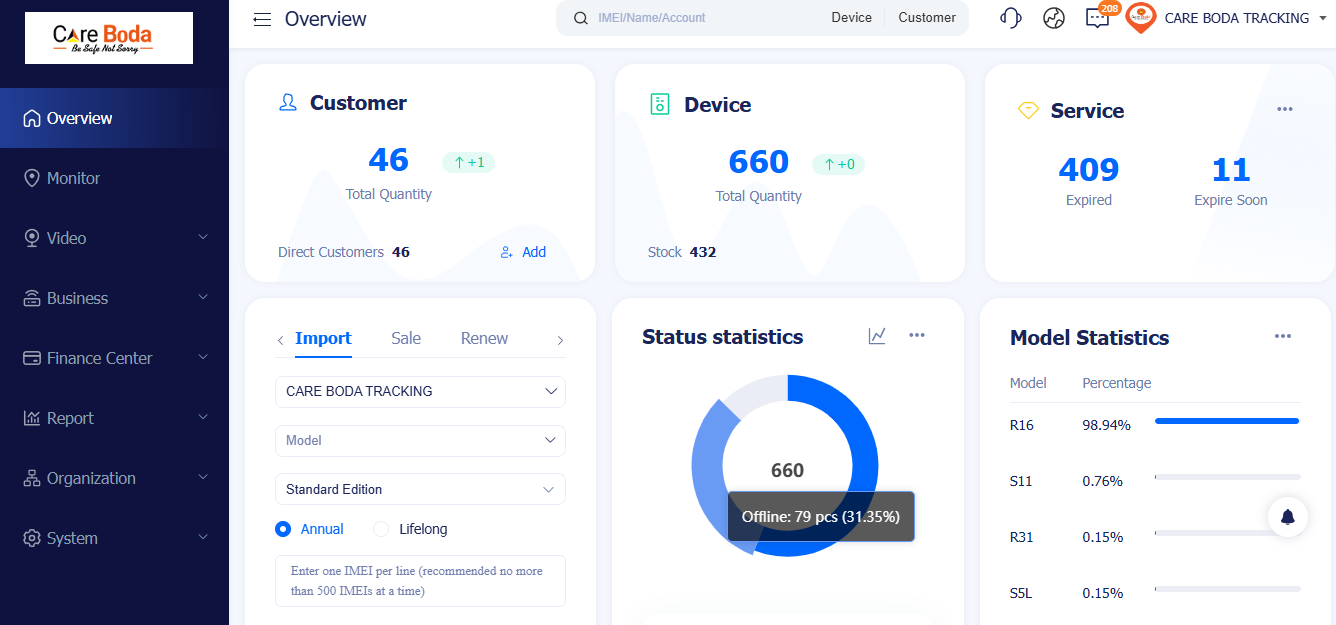
Fleet tracking interface used by Careboda dispatch team
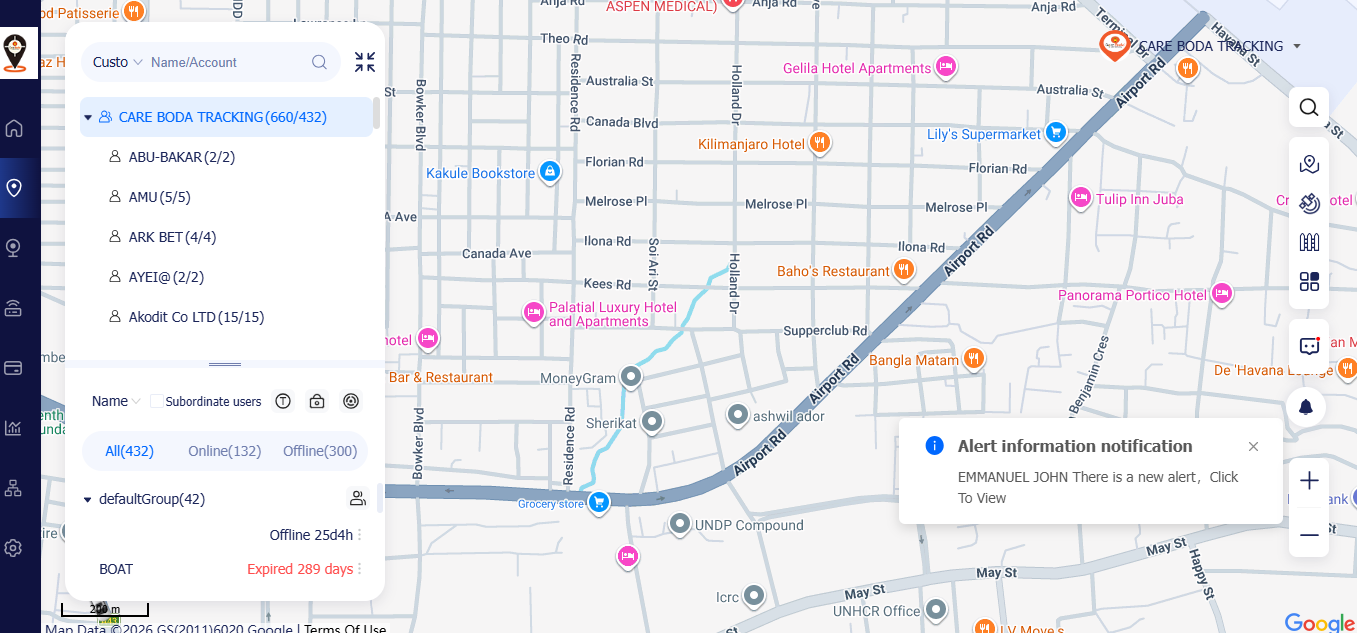
Driver location and trip monitoring screen during active service hours
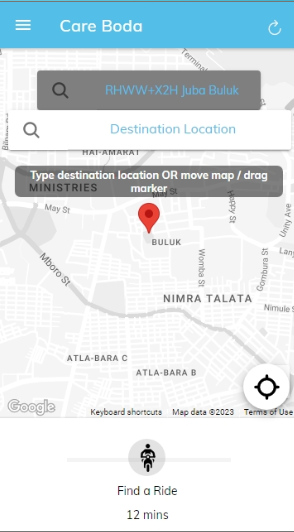
Ride request interface used for booking coordination
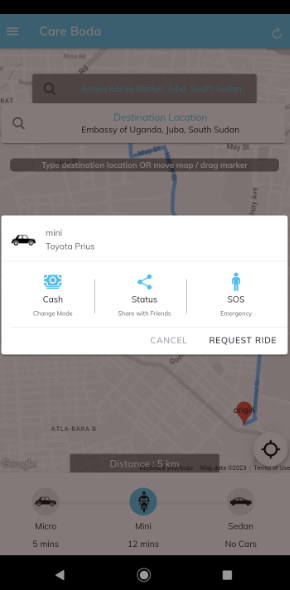
Vehicle selection and assignment screen
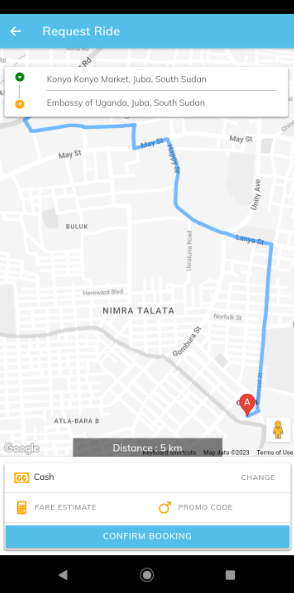
Active trip route tracking interface
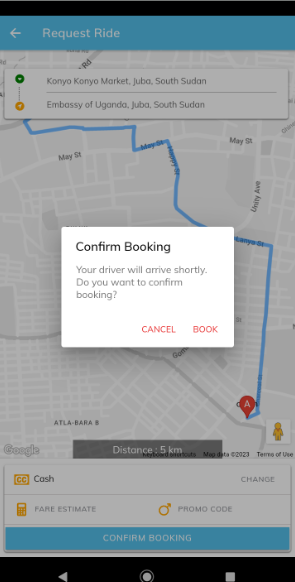
Booking confirmation and dispatch screen
System Architecture
Technical Implementation
- • Mobile application for driver devices
- • GPS tracking hardware integration
- • Central operations dashboard for dispatch team
- • Secure backend services for data processing
- • Cloud-hosted infrastructure for scalability
Reliability Design
- • Data synchronization for offline operation
- • Low-bandwidth optimization for network constraints
- • Local data caching on driver devices
- • Automatic reconnection and data transmission
Deployment & Rollout
Implementation Approach
Phased rollout with pilot testing using active vehicles. Initial deployment focused on core operational functions before expanding to full fleet integration.
- • Requirements assessment with operational team
- • System configuration for local operating conditions
- • Pilot testing with subset of vehicles
- • Driver onboarding and training sessions
- • Parallel operation with manual processes during transition
Driver Training
Training conducted for drivers on mobile application usage, GPS device operation, and ride acceptance workflows. Training materials adapted for local language and literacy considerations.
Infrastructure Considerations
System deployment accounted for local operational constraints including network reliability, power availability, and device charging infrastructure. Platform designed to function under these conditions.
Results & Impact
Operational Improvements
- Fleet Visibility: GPS tracking provided real-time vehicle location data, enabling centralized fleet monitoring and oversight.
- Dispatch Coordination: Digital dispatch system improved driver assignment efficiency based on location proximity and availability.
- Operational Control: Administrative dashboard provided management team with visibility into fleet operations, trip records, and driver activity.
- Communication Efficiency: Reduced reliance on manual phone-based coordination through digital ride request and assignment workflows.
System Performance
Platform maintained operational stability in a challenging infrastructure environment. System functionality sustained despite network and power constraints typical of the region.
Current Status
System deployed and used operationally during active service period.
Platform provided digital infrastructure for fleet tracking, ride coordination, and operations management in South Sudan urban transport environment.
This deployment demonstrates 3B Solutions' ability to deliver transport digitization systems in complex and low-infrastructure operating environments.
Related Information
Transport Solutions
Digital infrastructure for transport operators and mobility services
Platform Capabilities
Technical specifications and features for transport digitization
Technology Stack
Infrastructure and technical architecture approach
Deployment Services
Implementation process and operational support procedures